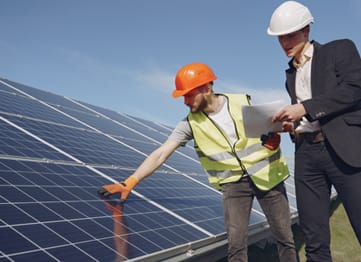
Farm Solar in Alberta can reshape energy planning by allowing rural property owners to produce part of their electricity on-site. Farms use power for irrigation, pumps, ventilation, refrigeration, lighting, grain handling, and other equipment. Solar can support these needs while giving farmers another way to plan for future energy use.
A strong approach considers current electricity demand, seasonal changes, available roof or ground space, electrical capacity, and planned farm growth. Instead of treating electricity as only a monthly expense, solar can become part of a wider plan for managing energy needs over the long term.
Why Solar Is Becoming Important for Alberta Farms
Farm electricity use can change greatly throughout the year. Irrigation may create higher demand during warmer months, while livestock buildings may require steady power for ventilation and climate control. Grain operations can also have periods of heavy equipment use.
Large rural properties may have useful space for solar installations. Barns, storage buildings, workshops, and suitable open areas can provide options for placing solar equipment. The right location depends on sunlight, roof condition, available space, and electrical access.
Alberta’s long summer daylight hours can also support solar generation. For farms using electricity during the daytime, on-site solar production can align with part of the property’s regular operating schedule.
How Solar Can Reshape Farm Energy Planning
Solar changes the way a farm can approach electricity planning. Instead of relying entirely on purchased power, a portion of energy needs can be met through on-site generation during suitable conditions.
A good plan begins with an energy review. Farm owners can examine electricity bills, equipment use, seasonal demand, and major electrical loads. This information provides a stronger foundation for deciding whether solar fits the property.
Future needs should also be part of the discussion. A farm may add new buildings, irrigation equipment, refrigeration, processing systems, or electric machinery. Planning for these changes early can make the overall energy strategy more practical.
Key Factors to Consider Before Installation
Every farm has different energy needs and site conditions. A solar project should be designed around the property instead of using a one-size-fits-all approach.
Several areas deserve careful attention before installation:
- Electricity consumption: Review current bills and identify major periods of energy use.
- Farm equipment: Consider pumps, fans, dryers, refrigeration, lighting, and processing equipment.
- Available space: Assess suitable rooftops and open areas for solar equipment.
- Roof condition: Older agricultural buildings may require structural or roofing work before installation.
- Electrical capacity: Review the existing electrical service and connection requirements.
- Future expansion: Include planned buildings, machinery, and changes in farm operations.
- Budget: Consider installation costs alongside long-term energy goals and expected savings.
A detailed review can help identify practical limitations before work begins. It also gives property owners a clearer basis for comparing system options.
Planning a Solar System around Future Farm Growth
A Solar System for a farm should account for more than today’s electricity use. Agricultural operations can change over time, and those changes can affect energy demand.
A farm planning to expand storage, add livestock facilities, install new irrigation equipment, or increase processing capacity may require more electricity in the future. Designing around only current consumption could limit the usefulness of the system later.
Future planning does not mean installing unnecessary capacity. Instead, it means understanding where the farm may be headed. This can help guide equipment selection, system size, electrical upgrades, and possible future energy storage.
Matching Solar With Different Rural Property Needs
Energy use varies across agricultural operations. Livestock farms may have steady demand from ventilation, feeding equipment, pumps, and lighting. Grain farms may experience larger seasonal loads from drying, handling, and storage.
Greenhouses, nurseries, dairy operations, and mixed farms also have different power requirements. A solar plan should reflect the actual way electricity is used on each property.
The physical layout matters as well. One farm may have a large barn roof with good solar exposure. Another may have suitable ground space closer to its electrical infrastructure. Site conditions should guide the final design.
Supporting Long-Term Energy Management
Solar can become part of a larger energy strategy rather than functioning as a separate project. Farmers can consider how electricity is used across buildings, equipment, and seasonal operations.
Energy efficiency can also be reviewed alongside solar planning. Upgrading older lighting, improving equipment efficiency, or replacing outdated systems may reduce electricity demand. Lower demand can affect the size and design of a future solar installation.
Energy storage may also be considered where it fits the property’s needs. Storage can provide another way to manage generated electricity, especially where energy use does not match solar production periods.
Building a Practical Farm Solar Strategy
A practical approach starts with facts about the property. Electricity consumption, site conditions, equipment needs, roof space, future expansion, and budget should all be reviewed before choosing a system.
Professional planning can also identify technical concerns early. Electrical service, equipment placement, structural conditions, connection requirements, and local project considerations may affect the installation.
For farmers considering Farm Solar in Alberta, the goal should be a system that fits the operation rather than simply choosing the largest available option. Good planning can make the investment more useful as the property changes.
Final Thoughts
Solar can give rural property owners a new way to approach electricity planning. It can support current farm operations while creating room for future energy decisions. A properly planned Solar System for a farm should reflect actual power use, seasonal demands, site conditions, and long-term growth.
For agricultural property owners exploring Farm Solar in Alberta, careful planning is the starting point. The strongest solar strategy is one built around how the farm works today and where the operation is expected to go next.