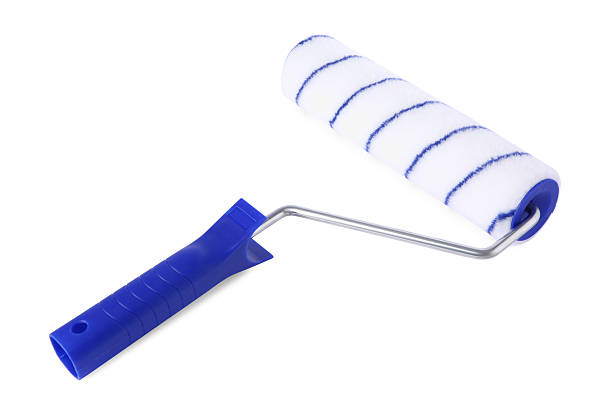
Large surfaces don’t forgive bad choices. Walls, warehouse floors, pool decks, long driveways… they expose every shortcut you try to take. And yeah, you can get away with a standard roller on small stuff. But once the space opens up, things shift fast. That’s where the 18 inch roller nap starts making sense, not as some “pro upgrade,” but more like a necessity if you don’t want to be there all day fighting your own tools. Bigger roller, fewer passes. Sounds obvious, but a lot of guys still ignore it.
Why Roller Size Actually Impacts Your Finish
It’s not just about speed, though that’s part of it. A wider roller covers more ground, sure, but it also changes how the coating lays down. Smaller rollers? They leave more overlap lines. You keep going back over sections, trying to even it out, and suddenly you’ve got lap marks. Happens all the time. A wider frame spreads material more evenly if you handle it right. Less backtracking. Less buildup in random spots. Still need skill, obviously, but the tool gives you a better shot.
The Trade-Off Nobody Talks About
Here’s the thing though, bigger isn’t always easier. An 18-inch roller holds more material. That means more weight. Your arms feel it after a while, especially on vertical work. You don’t notice in the first 10 minutes. Give it an hour. Different story. Also, if your frame is cheap or slightly bent, you’ll fight it the whole time. So yeah, going bigger helps, but only if the rest of your setup isn’t garbage.
Nap Length Still Matters (Maybe More Than Size)
People get hung up on width and forget nap thickness. That’s a mistake. You can have the perfect roller size and still mess up the finish if the nap is wrong. Smooth concrete? Short nap. Rough, porous surface? You need something thicker to push material into those gaps. Otherwise you’re just skimming the top, leaving weak spots behind. And those come back to bite later. Peeling, uneven sheen, patchy curing… all that fun stuff.
Speed vs Control—You Don’t Always Get Both
With large rollers, you move faster. No question. But control drops a bit, especially if you’re not used to it. Tight areas, edges, corners… that’s where a smaller roller still earns its keep. A lot of pros switch back and forth instead of trying to force one tool to do everything. Makes sense. Trying to cut clean lines with a wide roller? Yeah, good luck with that.
Material Type Changes the Game
Different coatings behave differently under a roller. Thin paints flow easy. Thick epoxy or elastomeric coatings? Whole different feel. They drag more. Load heavier. And that’s where roller size and nap combo really starts to matter. You need something that can carry enough product without dumping it unevenly. Too thin, and you’ll keep reloading. Too thick, and it gets sloppy fast.
Don’t Cheap Out on the Frame and Cover
This part gets overlooked way too much. People spend on coatings, then grab a cheap roller frame. Doesn’t make sense. A weak frame flexes under pressure, especially with wider rollers. That flex shows up in your finish. Same with low-quality covers that shed fibers or don’t hold material properly. You save a few bucks upfront, sure. Then lose time fixing the mess. Not worth it.
When Bigger Actually Saves You Money
It sounds backwards, but using a larger roller can cut costs. Less time on the job. Less physical fatigue dragging things out. More consistent coverage means fewer fixes later. All that adds up. Especially on commercial jobs where time really is money. The faster you move without sacrificing quality, the better your margins look. Simple math.
Choosing the Right Setup for Epoxy Work
Now, when you’re dealing with coatings like epoxy, things get even more specific. Not every roller handles it well. Some just push it around instead of laying it down properly. You want something that holds material but still releases it evenly. That balance is tricky. That’s why people keep asking what the best roller for epoxy is, because the wrong choice shows immediately in the finish. You get streaks, bubbles, uneven gloss… and once it cures, there’s no easy fix.
Final Thoughts: Use the Right Tool or Pay for It Later
At the end of the day, roller size isn’t just a preference. It’s part of the system. Large surface? Use a larger roller. Match the nap to the surface. Don’t ignore the frame quality. And don’t expect one setup to handle every situation perfectly. The guys who get consistent results aren’t guessing, they’re adjusting. Every job’s a little different. Treat it that way, and your finishes will start looking a whole lot better.