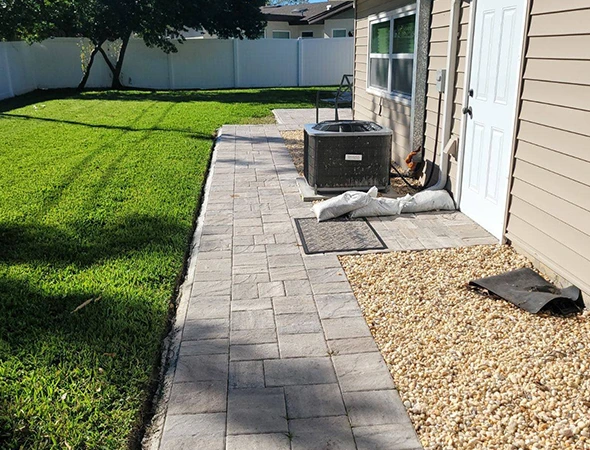
Anyone who owns a home along Florida’s Gulf Coast knows the grass never really stops growing. Warm temperatures, frequent rain, and long summers create the perfect setting for lawns to shoot up fast. That’s exactly why weekly lawn mowing in St. Petersburg, FL has become a common routine for so many households rather than an occasional chore.
Picture a homeowner who trims the lawn every other weekend. By day ten, the grass looks shaggy, uneven, and stressed. In this climate, waiting too long between cuts often does more harm than good.
The Climate Factor Behind Frequent Mowing
Florida’s growing season runs much longer than in northern states. Grasses like St. Augustine, Bahia, and Zoysia thrive here, but they also grow quickly once the rainy season kicks in.
During the peak summer months, some lawns can gain over an inch of height in just a few days. Cutting on a steady weekly schedule keeps growth under control and prevents that overgrown look that’s tough to fix later.
There’s also a science-backed reason behind it. Experts often reference the “one-third rule,” which suggests never removing more than a third of the grass blade in a single cut. When lawns grow fast, weekly trimming makes that rule easy to follow.
Why Consistency Matters More Than People Think
A well-timed mowing schedule does more than tidy up the yard. Regular cuts encourage denser, healthier turf and help crowd out weeds before they take hold.
Consistent mowing also spreads clippings evenly, returning nutrients back into the soil. Skipping weeks, on the other hand, tends to leave thick clumps that smother the grass beneath them.
Curb appeal plays a role too. A neatly maintained lawn signals a cared-for property, something that matters whether a home is being lived in for years or prepped for sale.
Real-World Situations Homeowners Face
Consider a busy family juggling work and school runs. Between packed weekdays and weekend plans, finding time to mow often falls to the bottom of the list. A predictable weekly routine removes that mental load entirely.
Then there are seasonal residents who split time between states. Many rely on scheduled maintenance so the yard stays presentable even while they’re away. This is common across the region, and demand for dependable lawn care services in Largo, FL and nearby areas reflects that need.
Local providers such as OCD Landscape & Lawns LLC are among the many operators that have grown alongside these routines, responding to how quickly Florida lawns bounce back after each cut.
Balancing DIY and Professional Help
Plenty of residents still enjoy mowing their own yards, and there’s nothing wrong with that. The key is sticking to a schedule that matches the growth rate rather than the calendar convenience.
For those who lack the time or equipment, hiring help has become straightforward. Professional lawn care services in Largo, FL and surrounding neighborhoods often bundle mowing with edging and trimming, keeping everything uniform week to week.
Ultimately, whether the work is done personally or handed off, the goal stays the same. Weekly lawn mowing in St. Petersburg, FL simply reflects what the local climate demands, and homeowners who respect that rhythm tend to enjoy greener, sturdier lawns all year.
Frequently Asked Questions
How often should I mow my lawn in St. Petersburg, FL?
During the warm, rainy months, weekly mowing is usually ideal. Growth slows slightly in cooler seasons, so some homeowners stretch to every ten to fourteen days in winter.
What is the best grass height for Florida lawns?
Most Florida grasses do well kept between 2.5 and 4 inches, depending on the type. St. Augustine, for example, prefers a taller cut to protect its roots from heat.
Is it better to mow weekly or bi-weekly?
Weekly mowing is generally healthier because it follows the one-third rule and prevents stress. Bi-weekly cuts often remove too much blade at once during peak growth.
Does frequent mowing help reduce weeds?
Yes. Regular mowing keeps grass dense and shaded, making it harder for weeds to sprout and spread. It won’t replace weed control, but it does help.
When is Florida’s peak lawn growing season?
Growth typically surges from late spring through early fall, driven by heat and rain. This is when a consistent mowing schedule matters most.