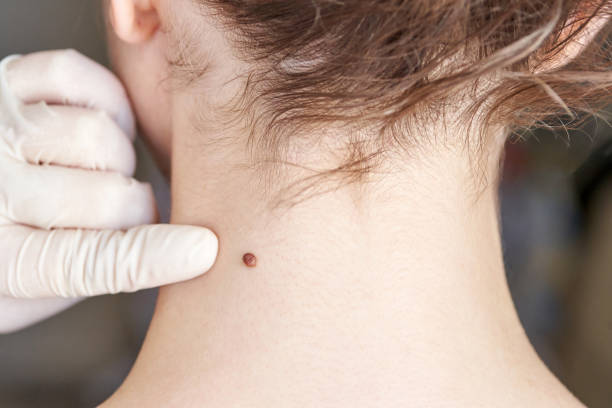
Skin tags are common, benign growths that can appear on the neck, underarms, eyelids, and other areas where skin experiences friction. Although they are usually harmless, many people choose professional removal because they dislike their appearance or find a particular growth inconvenient. Skin Tag Removal in Abu Dhabi can involve established techniques selected according to the size, location, and structure of the skin tag. A common concern before treatment is whether removing the growth will leave a permanent scar. While professional skin tag removal is designed to treat the unwanted tissue precisely, the final appearance of the treated area can vary depending on the technique used and how the individual skin heals.
Can Skin Tag Removal Leave a Scar?
Any procedure that removes tissue from the skin can potentially leave some form of visible mark while the area settles. However, a visible mark immediately after treatment should not automatically be considered a permanent scar. The treated area can change as the skin progresses through its natural healing process.
The appearance after removal depends on several factors, including the size of the skin tag, how deeply it is attached, its location, the technique selected, and the individual’s natural healing characteristics. Smaller skin tags with narrow attachments may leave a less noticeable treatment area than larger growths with broader bases.
Professional treatment focuses on removing the targeted growth while carefully managing the surrounding skin. This is one reason why assessment before removal is important.
Why Does the Removal Method Matter?
Different skin tag removal techniques affect the skin in different ways. Common professional approaches include snip removal, cryotherapy, and electrosurgical treatment. The American Academy of Dermatology identifies these as established methods for removing skin tags and explains that the choice can depend on factors such as the growth’s size and location.
Snip removal involves separating the skin tag from the surrounding skin using sterile surgical instruments. Because the unwanted growth is removed directly, the visible tag is no longer present after treatment. The treated area then goes through its normal healing process.
Cryotherapy uses controlled freezing to destroy the targeted tissue. The treated skin tag can gradually separate as the area heals. Electrosurgical treatment uses controlled electrical energy to target and destroy the growth. Each method creates a different type of treatment area, so the eventual appearance can vary.
What Happens to the Skin After Removal?
The skin does not necessarily look exactly the same immediately after a skin tag is removed. Depending on the treatment method, the area may require time to settle before its final appearance becomes clear.
For example, the American Academy of Dermatology notes that electrodesiccation can result in a scab over the treated area that heals over approximately one to three weeks. With cryotherapy, a blister or scab may develop before the treated tissue separates.
This means it is important to distinguish the normal healing stage from the eventual appearance of the skin. A temporary change in texture or colour does not necessarily mean that a permanent scar has formed.
Does the Size of the Skin Tag Affect Scarring?
Size can influence the appearance of the treated area. A small skin tag with a narrow stalk generally involves a smaller treatment site, while a larger or broad-based growth may require treatment over a wider area.
Larger skin tags may therefore take longer to settle visually. The attachment of the growth is also important because a skin tag that extends more deeply or has a broader base may require a different removal approach from a small, dangling growth.
Professional assessment allows these characteristics to be considered before treatment. Rather than choosing a technique based solely on the visible portion of the skin tag, the treatment can be planned according to its overall structure.
Does Skin Type Influence the Final Appearance?
Individual skin characteristics can influence how the treated area looks as it heals. People naturally differ in the way their skin responds to injury and tissue repair, meaning two people undergoing the same type of procedure may not have exactly identical healing patterns.
Pigmentation can also influence how noticeable a newly treated area appears during the healing process. A temporary difference in colour may become less noticeable as the skin continues to settle.
For this reason, it is difficult to guarantee that every person will have an identical result. A professional assessment can provide a more individualized understanding based on the specific skin tag and the surrounding skin.
Are Facial Skin Tags More Concerning?
Facial skin tags often attract more attention because the face is highly visible. A person may therefore be particularly concerned about whether removal will leave a noticeable mark.
The same basic professional removal techniques may be used for facial skin tags, but the location requires careful consideration. Growths around the eyelids are especially delicate because they are close to the eyes and surrounding structures.
The American Academy of Dermatology notes that skin tags can occur on the eyelids and that professional removal may be considered when an eyelid growth affects vision or becomes bothersome.
A precise assessment is therefore particularly valuable when a skin tag is located on the face or near the eyes.
How Can Professional Treatment Support a Better Cosmetic Result?
The first step toward a good cosmetic result is confirming that the growth is actually a skin tag. Some other skin growths can resemble skin tags, so removing an unidentified lesion without proper assessment is not advisable.
Once the growth has been identified, its size, location, shape, and attachment can be considered when selecting the removal method. Using an established professional technique and appropriate sterile equipment allows the targeted tissue to be addressed in a controlled manner.
The treatment area can then be allowed to progress through its normal healing process. Following professional aftercare guidance is also an important part of supporting the treated skin as it settles.
Can a Skin Tag Be Removed Without a Visible Mark?
There is no universal guarantee that skin tag removal will leave no visible mark. Some treated areas may become difficult to notice once fully settled, while others may retain a small change in texture or colour.
The likelihood of a noticeable mark depends on the individual growth and the person’s skin characteristics. A small skin tag treated precisely may produce a very subtle final result, whereas a larger growth can leave a more apparent treatment area.
The goal of professional removal is therefore not to promise an identical appearance for everyone but to select an appropriate technique for the specific growth.
Why Should You Avoid Unprofessional Removal Methods?
Professional assessment is important because a growth that looks like a skin tag may not necessarily be one. In addition, inappropriate removal techniques can unnecessarily damage surrounding skin. The American Academy of Dermatology advises against using unapproved products for removing skin tags and recommends professional treatment instead.
Professional removal provides a controlled setting in which the growth can first be assessed and then treated using an established technique appropriate to its characteristics. This approach is particularly important when the skin tag is located on the face, near the eyes, or in another delicate area.
How Long Does It Take for the Skin to Settle?
The timeline varies according to the treatment method and the size and location of the treated growth. Some procedures create an immediate visible change because the skin tag is physically removed, while others allow the targeted tissue to separate gradually.
The treated area may continue changing after the skin tag itself is gone. As the skin completes its natural repair process, temporary differences in texture or colour can become less noticeable.
For this reason, judging the final appearance immediately after treatment may not provide an accurate picture of the eventual result.
What Should You Expect From Skin Tag Removal?
Skin tag removal can successfully eliminate the unwanted growth, but the final appearance of the treated skin depends on individual circumstances. A small mark may be visible during the healing process, while the eventual area may become considerably less noticeable.
The most appropriate expectations come from understanding that removal and healing are separate stages. Professional treatment addresses the skin tag, while the body’s natural healing process determines how the treated area ultimately settles.
Overall, skin tag removal does not automatically mean that a prominent permanent scar will be left behind. The technique, size and location of the growth, and individual skin characteristics all contribute to the final appearance. A professional assessment is the best way to determine the most suitable treatment approach and establish realistic expectations.
FAQs
Does skin tag removal always leave a scar?
No. A permanent noticeable scar is not inevitable. The final appearance depends on the size and attachment of the skin tag, the treatment method, its location, and individual skin healing.
How long does the treated area take to heal?
Healing time varies according to the removal technique and the characteristics of the treated skin tag. Some methods may involve a healing period of several weeks before the area reaches its settled appearance.
Can large skin tags leave more noticeable marks?
A larger or broad-based skin tag may involve a larger treatment area, which can influence the final appearance. Professional assessment helps determine the most appropriate technique for the individual growth.
Can facial skin tags be removed without a noticeable scar?
Facial skin tags can be professionally treated, but no procedure can guarantee an entirely invisible mark. The location, size, treatment method, and individual skin characteristics all influence the final result.
Why is professional assessment important before skin tag removal?
Assessment helps confirm that the growth is actually a skin tag and allows the removal technique to be selected according to its size, location, and structure. This supports a more controlled and individualized treatment approach.
