childrens bronze sculptures
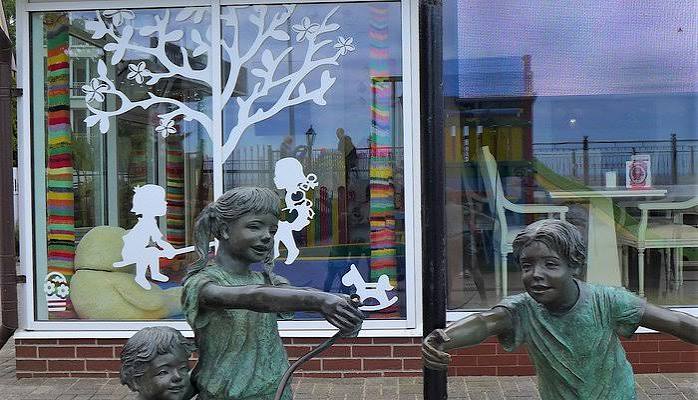
Creating children’s bronze sculptures requires artistic vision, technical skill, and careful observation. Artists work to capture the natural expressions, movement, and personality that make every child unique. The process begins with an idea and develops through several creative stages before becoming a finished bronze piece. Every step demands patience, precision, and attention to detail, resulting in artwork that preserves meaningful moments and stands the test of time for future generations.
Studying Expression and Movement
Every sculpture begins with careful observation. Artists watch how children smile, play, walk, and interact with their surroundings. They study natural gestures, facial expressions, and body language to create lifelike figures. They also consider age-related proportions, since children’s features change as they grow. These observations help shape a sculpture that feels genuine, expressive, and full of life instead of appearing stiff or overly posed.
Sculpting the Original Clay Model
After choosing a concept, the artist prepares sketches to explore different poses and compositions. The selected design is then sculpted in clay, allowing ideas to develop into a three-dimensional form. During this stage, the artist refines facial features, clothing, posture, and small details. Clay offers the flexibility to make adjustments until the sculpture reflects the intended emotion while maintaining balanced proportions.
Transforming Clay into Bronze
Once the clay model is complete, the casting process begins. The main stages include:
- Creating the Mold: A detailed mold is made from the finished clay model to preserve every feature.
- Pouring the Bronze: Molten bronze is poured into the casting mold, where it takes the shape of the original design.
- Removing the Mold: After the bronze cools, the mold is removed to reveal the casting.
- Cleaning the Surface: The artist removes excess metal and prepares the sculpture for the finishing work.
Each stage helps preserve the original design while turning it into a durable bronze artwork.
Refining Every Detail by Hand
Casting is only part of the creative process. The artist smooths rough areas, sharpens details, and improves textures throughout the sculpture. Facial expressions, hair, clothing, and other fine elements receive careful attention. A patina is then applied to produce the desired color while protecting the bronze surface. These finishing touches add depth, warmth, and character, giving the sculpture its final appearance.
Preparing the Sculpture for Display
Before the sculpture reaches its final destination, the artist completes several finishing tasks:
- Mounting: The sculpture is securely attached to a stable base.
- Surface Protection: A protective coating helps preserve the finish over time.
- Final Inspection: Every detail is checked to ensure the sculpture meets quality standards.
These final steps prepare the sculpture for safe display and long-term enjoyment.
Conclusion
Creating children’s bronze sculptures is a thoughtful process that combines creativity with skilled craftsmanship. From observing natural expressions to sculpting clay, casting bronze, refining details, and preparing the finished piece, every stage plays an important role. The result is a lasting work of art that celebrates childhood, preserves meaningful memories, and can be appreciated by families, collectors, and communities for many years to come.