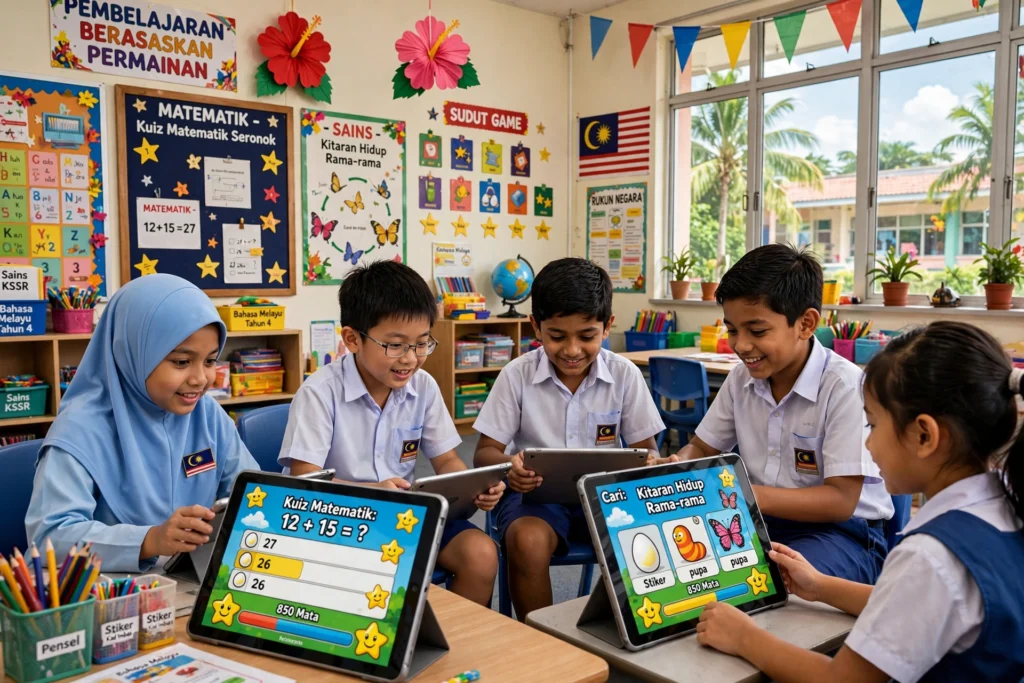
The landscape of Malaysian education and corporate training is undergoing a seismic shift. As traditional rote learning makes way for immersive, technology-driven experiences, “Game-Based Learning” (GBL) has emerged as the frontrunner in digital pedagogy. By integrating game design elements—such as points, leaderboards, and interactive simulations—into academic and professional curricula, Malaysia is effectively turning the process of skill acquisition into an engaging, high-retention experience.
According to the latest insights from Renub Research, the Malaysia Game-Based Learning market is on a robust upward trajectory. Valued at US$ 122.63 million in 2025, the market is projected to reach US$ 512.01 million by 2034, expanding at a remarkable CAGR of 17.21% during the 2026–2034 forecast period.
Download Free Sample Report:https://www.renub.com/request-sample-page.php?gturl=malaysia-game-based-learning-market-p.php
Understanding the Game-Based Learning Revolution
Game-based learning (GBL) is far more than mere entertainment; it is a pedagogical strategy that leverages interactive environments to foster critical thinking, collaboration, and problem-solving. Whether through complex computer adventure games, language-learning apps, or corporate role-play simulations, GBL addresses the modern learner’s need for instant feedback and personalized pacing.
In Malaysia, this transition is supported by a confluence of factors: a digitally native youth population, proactive government digitization blueprints, and a burgeoning EdTech ecosystem. As educational institutions—from elementary schools to universities—and corporate entities seek to improve engagement rates, GBL has evolved from an experimental luxury to an essential instructional tool.
Key Growth Drivers: Why Malaysia is Betting on Gamification
The rapid expansion of the Malaysian GBL market is fueled by strategic government support and a pervasive digital infrastructure.
1. Government-Led Digital Transformation
The Malaysian government has prioritized digital literacy through strategic frameworks such as the Malaysia Education Blueprint and the Digital Economy Blueprint (MyDIGITAL). These initiatives focus on upgrading classroom environments with intelligent technology. Furthermore, the National Artificial Intelligence Roadmap (NAIR 2021–2025) and the Digital Education Policy (DEP) have created a fertile regulatory environment for the integration of AI-powered educational tools, effectively legitimizing GBL as a standard pedagogical practice.
2. High Connectivity and Smartphone Penetration
With over 43.3 million cellular mobile connections in Malaysia—representing 121% of the population—the barrier to entry for mobile-based learning is virtually non-existent. The widespread availability of 4G and 5G networks ensures that students and employees can access gamified content seamlessly, whether they are in a classroom, at the office, or remote.
3. Demand for Personalized, Adaptive Learning
Modern learners require solutions that adapt to their specific skill levels. GBL platforms, often integrated with AI, analyze student performance data in real-time to adjust difficulty levels and suggest personalized content. For example, platforms like PandaiAI utilize game-based intelligent tutoring to provide tailored support, helping students master subjects like STEM and linguistics at their own pace.
Navigating Challenges in the GBL Ecosystem
Despite the promising growth trajectory, the industry faces distinct hurdles that must be addressed to ensure equitable adoption.
-
The Digital Divide: A significant disparity exists between urban centers and rural or underprivileged communities. While Kuala Lumpur or Penang schools may easily integrate sophisticated GBL software, rural institutions often struggle with inadequate internet bandwidth and hardware limitations.
-
High Implementation Costs: Developing curriculum-aligned, localized educational games requires substantial investment in instructional design and technical infrastructure. For smaller schools or SMEs, these upfront costs can be prohibitive.
-
Resistance to Change: Pedagogical shifts require teacher training. Educators familiar with traditional “chalk-and-talk” methods may feel apprehensive about screen-based instruction or data privacy concerns regarding student analytics.
Segmenting the Malaysia GBL Market
The market is diverse, catering to various sectors through specialized deployment and content types.
By Game Type
-
Training & Skill-Based Games: Widely used in corporate settings to develop management, communication, and technical skills.
-
AI-Based Games: These platforms leverage behavioral analysis to offer personalized learning paths.
-
AR/VR Games: Increasingly adopted in technical and vocational training (TVET) to simulate high-risk environments safely.
-
Language Learning Games: Apps focusing on gamified linguistic acquisition remain highly popular among both students and professionals.
By Deployment and End-User
While Cloud-based deployment is surging due to its scalability and low infrastructure requirements, On-Premise solutions remain preferred by government agencies requiring strict data sovereignty. Key end-user sectors include Education (K-12 and Higher Ed), IT & Telecom, Manufacturing, and Healthcare.
Regional Hubs of Innovation
Certain Malaysian regions are spearheading the GBL adoption movement:
-
Kuala Lumpur: As the nation’s economic heart, it hosts the majority of EdTech innovation hubs, international schools, and multinational corporate training centers.
-
Seberang Perai: A hub for manufacturing and technical industries, utilizing GBL for vocational training and safety protocol simulation.
-
Johor Bahru: Leveraging its proximity to Singapore to foster cross-border partnerships in digital education and smart-city learning initiatives.
-
Shah Alam: A center for research and higher education, where university-industry collaborations are driving the adoption of gamified STEM learning.
Competitive Landscape
The market features a blend of global tech giants and specialized EdTech firms. Key players, including Google LLC, Amazon Web Services (AWS), Kahoot! ASA, Duolingo, Inc., Mojang Studios, and Epic Games, are aggressively localizing their content to meet Malaysian curriculum standards. These companies utilize SWOT-based strategies—focusing on revenue analysis and user retention—to maintain their competitive edge in the rapidly evolving Southeast Asian digital landscape.
Frequently Asked Questions (FAQs)
1. What is the projected market size for Malaysia Game-Based Learning by 2034? The market is expected to reach US$ 512.01 million by 2034, growing from US$ 122.63 million in 2025 at a CAGR of 17.21%.
2. Which sectors in Malaysia are adopting GBL the fastest? The Education sector (K-12 and universities) and the IT & Telecom industry are the primary adopters, utilizing GBL for academic engagement and technical workforce upskilling, respectively.
3. How does AI enhance game-based learning? AI provides adaptive learning experiences by analyzing user behavior in real-time, offering instant feedback, and customizing difficulty levels to match the learner’s progress.
4. What are the main obstacles to GBL growth in Malaysia? The primary challenges include the rural-urban digital divide, high initial development costs for localized content, and the need for comprehensive teacher training.
5. Is the cloud deployment model popular in Malaysia? Yes, the Cloud-based GBL model is witnessing high uptake due to its cost-efficiency, accessibility, and ability to support remote/hybrid learning environments.
6. Does the Malaysian government support GBL adoption? Absolutely. Initiatives like the Digital Education Policy (DEP) and the National Artificial Intelligence Roadmap (NAIR) actively promote the use of digital and AI-driven tools in classrooms.
7. Who are the key players in the Malaysian GBL market? Major international players include Google, AWS, Kahoot!, Duolingo, and Epic Games, alongside various local EdTech startups specializing in localized educational content.