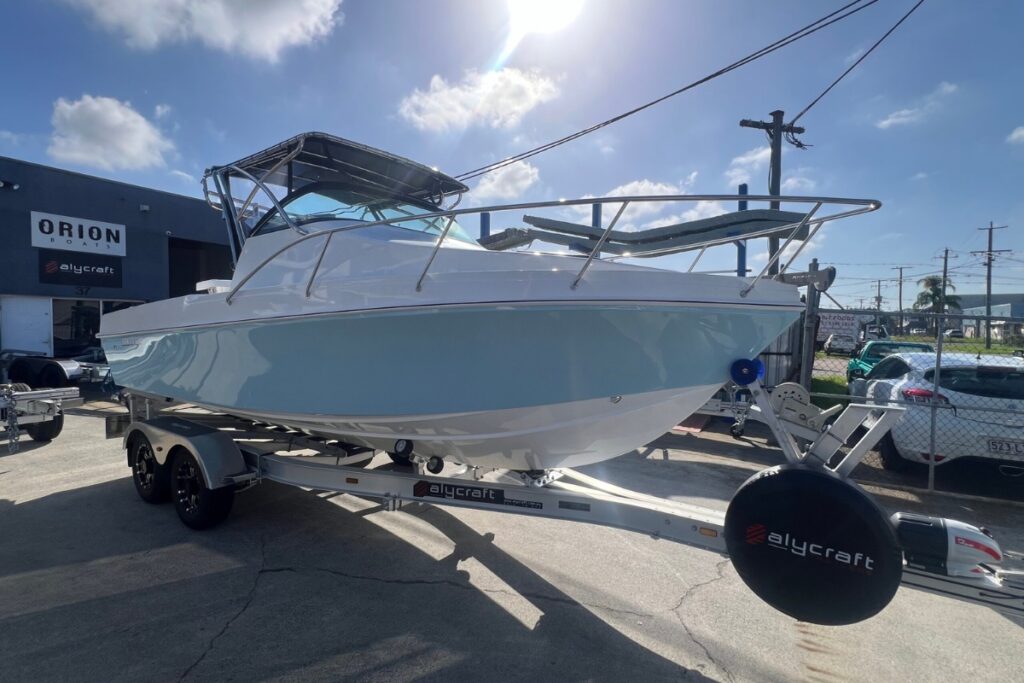
Choosing the right boat trailer is an important decision for Australian boat owners because the trailer is exposed to some of the harshest conditions, including saltwater, coastal weather, humidity, and frequent road travel. While the initial purchase price often influences the buying decision, long-term ownership costs can be very different depending on the trailer material, maintenance requirements, durability, and lifespan. Two of the most common options considered by boat owners are aluminium-based trailers and galvanised steel trailers.
When comparing an alloy boat trailer with a galvanised trailer, the biggest differences appear over years of ownership rather than on the day of purchase. Factors such as corrosion resistance, servicing needs, repair expenses, resale value, and suitability for Australian boating environments all contribute to the total cost. Understanding these differences helps boat owners make a more practical investment that matches their boating lifestyle and budget.
Understanding the Difference Between Alloy and Galvanised Boat Trailers
Boat trailers are designed to carry boats safely while handling constant exposure to water, road conditions, and changing environments. The material used in construction plays a major role in how well a trailer performs over time. Alloy trailers are made primarily from aluminium, a lightweight metal known for its natural resistance to corrosion. Galvanised trailers are made from steel that has been coated with a protective zinc layer to reduce rust and improve durability.
Both options have their advantages, and neither is automatically the perfect choice for every boat owner. The right decision depends on factors such as how often the boat is used, whether it is launched in saltwater or freshwater, storage conditions, towing distance, and maintenance habits.
An alloy boat trailer is particularly popular among coastal boat owners because aluminium naturally forms an oxide layer that protects the metal from further corrosion. This makes it highly suitable for regular exposure to saltwater environments. Galvanised trailers also offer good corrosion protection, but the protective coating can wear away over time, especially in areas exposed to repeated launching, road debris, and harsh marine conditions.
Initial Purchase Cost Comparison
One of the first things buyers consider is the upfront cost. In many cases, galvanised trailers have a lower purchase price compared with aluminium options because steel manufacturing and coating processes can be more economical. This lower initial investment makes galvanised trailers attractive for boat owners looking for a budget-friendly solution.
Aluminium trailers generally have a higher upfront cost because aluminium materials and specialised manufacturing methods can increase production expenses. However, the purchase price should not be viewed as the only financial factor. A trailer that requires fewer repairs and maintains its condition for a longer period may provide better value over time.
For Australian boat owners who frequently use their boats in coastal areas, the additional investment in an alloy boat trailer can often be justified by reduced corrosion-related expenses and lower maintenance requirements throughout ownership.
Corrosion Resistance and Maintenance Requirements
Corrosion is one of the biggest challenges faced by boat trailers in Australia. Saltwater is highly aggressive and can gradually damage metal components if proper care is not taken. Regular cleaning and maintenance are essential regardless of trailer type, but the amount of ongoing effort can vary significantly.
Alloy boat trailers offer strong resistance against corrosion because aluminium does not rust in the same way as steel. While aluminium can still experience surface changes and requires proper care, it generally handles marine environments effectively. This can reduce concerns about long-term structural deterioration caused by rust.
Galvanised trailers rely on their zinc coating to protect the underlying steel. When the coating remains intact, protection is effective. However, launching and retrieving boats can create scratches and exposed areas where corrosion may begin. Over time, these areas may require attention to prevent further damage.
For owners who regularly launch in saltwater, the maintenance difference between Alloy Boat Trailers and galvanised alternatives can become significant. Less time spent managing corrosion means more time enjoying boating activities.
Weight Differences and Fuel Efficiency
Another important ownership cost is towing efficiency. Aluminium is lighter than steel, which means aluminium trailers often have a lower overall weight compared with similarly sized galvanised trailers. A lighter trailer can provide several practical benefits.
Reduced trailer weight can make towing easier, especially for smaller vehicles. It can also improve fuel efficiency because the vehicle does not need to work as hard when transporting the boat. Over many years of regular towing, these savings can contribute to lower operating costs.
Galvanised trailers are generally heavier due to the strength and density of steel construction. While this additional weight can provide strength and stability, it may increase towing demands depending on the boat size and vehicle used.
The weight advantage of aluminium trailers becomes especially valuable for boat owners who travel long distances to reach different fishing locations, waterways, or holiday destinations across Australia.
Durability and Long-Term Performance
Durability is one of the most important considerations when comparing trailer materials. A quality trailer should provide reliable performance for many years while safely supporting the boat during transport and launching.
Aluminium construction offers excellent long-term performance because it is naturally resistant to many corrosion problems associated with marine environments. With appropriate care, an alloy boat trailer can maintain its structural condition and appearance for an extended period.
Galvanised trailers are also known for their strength and durability. Steel provides excellent load-bearing capability, making galvanised designs suitable for many different boat sizes. However, long-term durability depends heavily on protecting the galvanised coating and addressing damaged areas quickly.
The actual lifespan of either trailer type depends on usage, maintenance, storage conditions, and exposure levels. A well-maintained trailer of either material can provide many years of service, but aluminium often provides an advantage in environments where corrosion is a major concern.
Repair and Replacement Costs Over Time
Ownership costs are not limited to regular maintenance. Repairs and replacement of components can influence the overall financial impact of a trailer. Corrosion-related repairs are among the most common expenses for boat trailer owners.
With galvanised trailers, damaged coatings may require treatment to prevent rust from spreading. Components exposed to constant saltwater contact may eventually need replacement if corrosion becomes severe. These repairs can add up over the years, particularly for owners who frequently use coastal boat ramps.
Aluminium trailers generally experience fewer corrosion-related issues, which can help reduce long-term repair expenses. However, repairs involving aluminium may require specialised skills because aluminium welding and restoration require different techniques compared with steel.
When calculating lifetime ownership costs, it is important to consider not only the price of repairs but also downtime, inconvenience, and the effort involved in maintaining the trailer.
Resale Value Considerations
A trailer that remains in good condition can maintain stronger resale value. Buyers often consider the age, appearance, structural condition, and maintenance history before purchasing a used boat trailer.
Because aluminium offers strong corrosion resistance, well-maintained alloy boat trailers can remain attractive in the second-hand market. Their lightweight design and durability may appeal to buyers looking for a reliable long-term option.
Galvanised trailers can also maintain value when they have been properly cared for. A trailer with minimal corrosion, a strong frame, and regular servicing can still be a valuable asset. However, visible rust, damaged coatings, or signs of neglect may reduce buyer interest and lower resale value.
Which Trailer Provides Better Long-Term Value?
The answer depends on how and where the trailer will be used. For boat owners who mainly use freshwater locations, store their trailer indoors, and perform regular maintenance, a galvanised trailer can be a practical and cost-effective choice.
For Australian boat owners who regularly experience saltwater exposure, coastal conditions, and frequent launching, an alloy boat trailer may provide better long-term value. The combination of corrosion resistance, lighter weight, reduced maintenance needs, and strong durability can help balance the higher initial investment.
Long-term ownership costs should always be evaluated based on real usage rather than only the purchase price. A cheaper trailer may become more expensive if it requires frequent repairs, while a higher-quality option may deliver savings through reduced maintenance and improved lifespan.
Maintenance Tips to Extend Trailer Life
Regardless of trailer material, proper maintenance remains essential. Rinsing the trailer with fresh water after saltwater use is one of the simplest ways to reduce damage. Regular inspections of wheels, bearings, brakes, suspension components, lights, and fasteners can help identify issues before they become expensive problems.
Boat owners should also store trailers in suitable conditions whenever possible. Keeping the trailer clean, dry, and protected from unnecessary exposure can improve performance and extend service life.
Routine maintenance combined with choosing the right trailer material can significantly reduce ownership costs and improve reliability during every boating trip.
Conclusion
When comparing alloy boat trailers and galvanised trailers, the long-term costs involve much more than the original purchase price. Galvanised trailers can provide excellent strength and affordability, while aluminium options offer advantages in corrosion resistance, reduced weight, and lower maintenance demands.
For many Australian boat owners, especially those operating in coastal and saltwater environments, investing in an alloy boat trailer can be a smart long-term decision. The reduced impact of corrosion, improved towing efficiency, and potential for stronger resale value can make aluminium a valuable choice over years of ownership.
To explore quality aluminium trailer solutions designed for Australian boating conditions, visit Alycraft Trailers and learn more about options that can support reliable and enjoyable boating experiences.