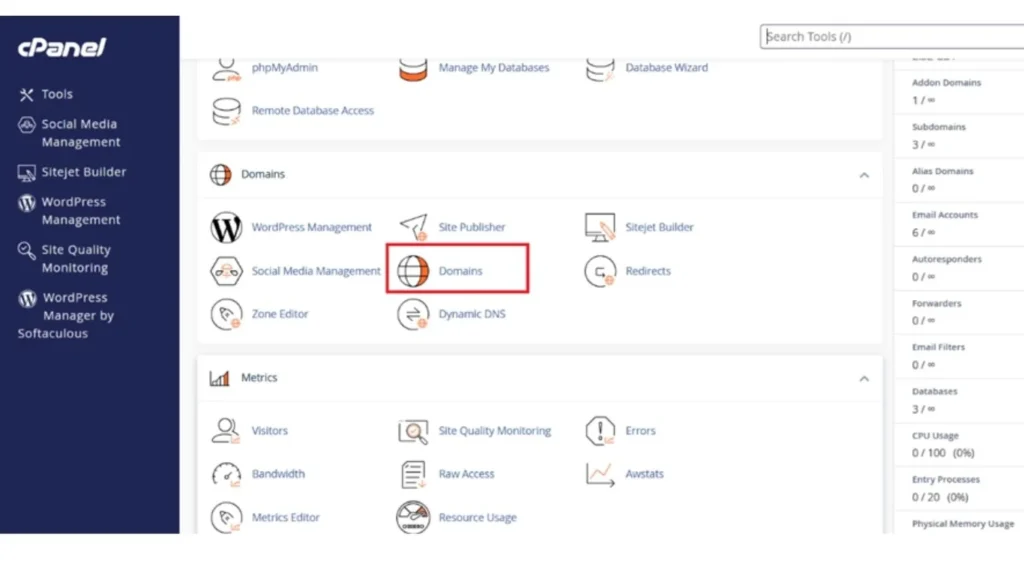
Building a professional website requires careful planning, clear organization, and the ability to expand as new opportunities arise. Many businesses begin with a simple website, but as they introduce new services, products, or resources, managing everything under a single structure becomes more challenging. A subdomain provides a practical way to organize content into dedicated sections while keeping everything connected to the main website.
Whether you operate a business website, an educational platform, or an online community, creating specialized sections can improve navigation and make the website easier to manage. A well-organized structure also creates a better experience for visitors and supports long-term digital growth.
What Is a Subdomain?
A subdomain is an extension of the main domain that functions as a separate section of a website. Although it belongs to the primary domain, it can have its own design, content, and technical configuration. This independence allows website owners to create unique environments without purchasing an additional domain name.
Many organizations use this approach to separate blogs, customer support centers, online stores, learning platforms, or regional websites. Instead of combining every type of content into one location, each section serves a specific purpose while remaining part of the overall brand.
Why Businesses Choose a Subdomain
Businesses often expand their online services over time. New products, customer portals, or educational resources may require different layouts and management systems. A subdomain makes it possible to create these dedicated spaces without changing the structure of the primary website.
This flexibility allows businesses to organize their online presence more efficiently while maintaining a consistent identity across all sections.
Improving Website Navigation
Easy navigation is one of the most important features of a successful website. Visitors expect to locate information quickly without searching through unrelated pages. A clear structure improves user satisfaction and reduces frustration.
By placing related content in dedicated sections, website owners create a smoother browsing experience that encourages visitors to explore more pages.
Key Benefits of Using a Subdomain
One of the biggest advantages of a subdomain is better organization. Instead of creating an overcrowded website, businesses can separate content into logical categories that are easier to maintain and understand.
Another benefit is improved flexibility. Different teams can manage separate website sections independently without affecting the main platform. This makes updates and maintenance more efficient.
Supporting Different Business Services
Many organizations provide multiple services to different audiences. Customers may need technical support, educational resources, shopping options, or company information. Each service can benefit from having its own dedicated section.
A structured website allows visitors to find exactly what they need without unnecessary confusion. This improves the overall user experience and strengthens customer confidence.
Easier Content Management
Content management becomes much simpler when information is organized properly. Editors can focus on one section while developers maintain another. This division of responsibilities improves productivity and reduces the possibility of errors during updates.
As websites continue growing, organized management becomes even more valuable.
How a Subdomain Supports Search Visibility
Search engines appreciate websites that provide useful content and logical organization. Although many factors contribute to search performance, a structured website makes it easier for search engines to understand relationships between different sections.
Publishing specialized content within a subdomain allows businesses to focus on particular subjects while serving targeted audiences. This approach can improve the relevance of content for visitors looking for specific information.
Building Topic Authority
Websites that consistently publish valuable information often become trusted resources within their industries. A dedicated section focused on one topic allows businesses to create detailed articles, guides, and educational materials.
Over time, this specialized approach helps establish authority and encourages repeat visits from users interested in that subject.
Supporting Long-Term Content Planning
Content strategies should support both immediate goals and future expansion. Dedicated website sections make it easier to plan new articles, tutorials, and resources while maintaining a clear organizational structure.
A flexible approach allows businesses to continue growing without disrupting the existing website.
Practical Applications of a Subdomain
Many industries successfully use dedicated website sections. Educational institutions create student portals, software companies develop technical documentation, and online retailers separate shopping platforms from corporate websites.
These examples demonstrate how a subdomain can improve organization while supporting different business objectives. Every section serves a specific audience while maintaining a connection to the overall brand.
Technical Flexibility
One important advantage of this structure is technical independence. Different website sections can use separate content management systems, programming languages, or hosting environments according to their individual requirements.
This flexibility allows organizations to introduce new technologies gradually without affecting the performance of the primary website.
Better Website Maintenance
Maintaining a website requires regular updates, security improvements, and performance monitoring. Dividing content into dedicated sections allows technical teams to work more efficiently.
Independent management reduces risks during maintenance and ensures that unrelated sections continue operating normally while updates are completed.
Best Practices for Managing a Subdomain
Planning is essential before launching a subdomain. Businesses should identify the purpose of the new section, define its target audience, and establish clear long-term objectives. Proper planning helps prevent unnecessary complexity and ensures every section contributes meaningful value.
Regular maintenance is equally important. Website owners should monitor performance, update content consistently, and maintain strong security practices to protect visitors and business data.
Maintaining a Consistent Brand Identity
Although different sections may serve different purposes, they should all reflect the same overall brand. Consistent logos, colors, typography, and navigation create familiarity and reinforce trust.
Visitors should immediately recognize that every section belongs to the same organization regardless of its specific function.
Preparing for Future Expansion
Businesses rarely remain unchanged. Customer expectations evolve, new services are introduced, and technologies continue advancing. A scalable website structure allows organizations to adapt without requiring major redesigns.
Planning for future growth ensures that new opportunities can be added efficiently while preserving the quality of the overall website.
Conclusion
A subdomain is a powerful tool for organizing websites, improving user experience, and supporting long-term digital growth. It allows businesses to create dedicated sections for different purposes while maintaining a strong connection to the primary website.
By focusing on thoughtful planning, consistent branding, quality content, and regular maintenance, organizations can build flexible online platforms that meet current needs and remain prepared for future expansion. A well-structured website benefits both visitors and business owners, making it an essential part of long-term online success.