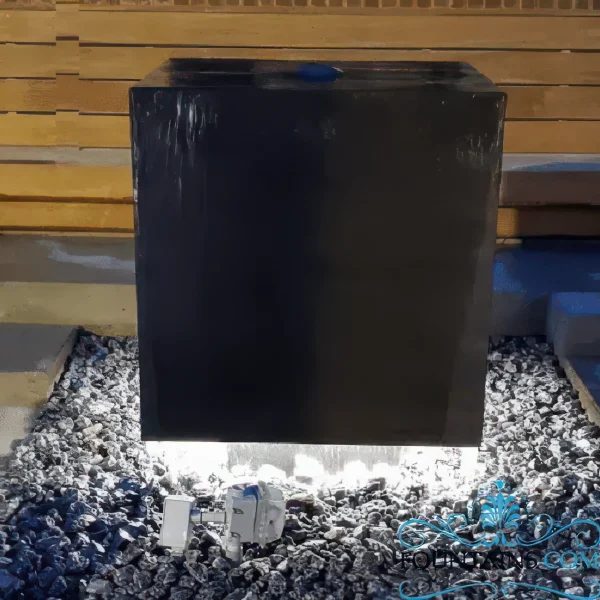
So here’s the thing. A few months back I was at a friend’s place and she had this little indoor fountain tucked in the corner of her living room, just quietly trickling away. I didn’t think much of it at first. Then I sat there for twenty minutes talking to her and realized… I felt weirdly calm. Like, more than usual. That’s when I started digging into water fountains and honestly, I’ve been a little obsessed ever since.
Water fountains aren’t just some old-fashioned garden decoration your grandma has next to her rose bushes. They’ve become a real thing in home design, office spaces, wellness routines, all of it. And indoor fountains specifically have exploded in popularity, probably because people are stuck inside more than ever and craving something that feels alive without being, you know, a plant that needs constant attention.
What’s the Actual Appeal Here?
Let’s be real, most of us don’t think about water much. It’s just there. You drink it, you shower in it, whatever. But there’s something about moving water — the sound of it, the sight of it catching light — that does something to your brain. Scientists call it “blue space” therapy or whatever fancy term, but you don’t need a study to tell you that sitting near a stream feels different than sitting near a parking lot.
Indoor fountains basically bring that feeling inside your house. No hiking required. No mosquitoes either, which, let’s be honest, is a plus.
I’m not gonna pretend every fountain works magic though. A cheap plastic tabletop one that gurgles too loud can actually be annoying as hell. I had a small one years ago that sounded like a leaky faucet and I ended up unplugging it after like three days. So not all water fountains are created equal, that much I’ve learned the hard way.
Indoor Fountains vs Outdoor Ones — Not the Same Thing
People sometimes lump these together but they’re really not. Outdoor water fountains have to deal with weather, freezing temps, algae, bugs, the whole mess. Indoor fountains are a totally different animal. They’re built for smaller spaces, quieter operation, and honestly a lot more style options since you’re not fighting Mother Nature.
If you’re thinking about adding one to your home, indoor fountains generally fall into a few camps:
Tabletop ones — small, sit on a desk or shelf, good for offices or bedrooms. Wall-mounted fountains — these look incredible honestly, kind of like living art. Freestanding floor fountains — bigger statement pieces, usually for living rooms or entryways.
Each one does something a little different for a space. A tabletop fountain near your desk might help you focus (or at least give your brain something pleasant to tune into during boring Zoom calls). A big floor fountain in your entryway just makes your whole house feel more… put together? I don’t know how else to say it. It’s an instant upgrade.
Do They Actually Help With Stress and Sleep?
I get asked this a lot by people who think I’m some kind of fountain expert now (I’m not, I just really like mine). But yeah, there’s something to it. The white noise from running water can mask other annoying sounds — traffic, neighbors, your upstairs roommate who apparently owns bowling balls instead of feet. That alone helps a lot of people sleep better or focus better during work.
There’s also just the visual thing. Watching water move is oddly hypnotic. It’s not going to fix your anxiety or replace therapy, don’t get me wrong, but as a small daily ritual it does add something. Kind of like how people light candles or play soft music. It’s a mood thing.
Placement Actually Matters More Than You’d Think
I made the mistake of putting my first fountain right next to my TV. Bad idea. The sound competed with everything I was watching and it just became background noise I tuned out completely. Waste of a nice fountain, honestly.
Better spots tend to be reading corners, entryways, home offices, or near a meditation or yoga space if you’ve got one. Basically anywhere you want a calmer vibe rather than a busy one. Kitchens and bathrooms work surprisingly well too since the humidity and water theme kind of already fit.
Also — and I learned this one too — keep it somewhere you’ll actually clean it. Fountains need occasional maintenance. Not a ton, but if it’s shoved in a corner you forget about, algae and mineral buildup happen fast and then you’ve got a gross fountain nobody wants near them.
Style-Wise, There’s a Lot Going On Right Now
The design world has gone kind of wild with water fountains lately. You’ve got minimalist stone slab styles that look like something out of a spa. You’ve got modern metal ones with clean geometric lines. There’s still the classic tiered look too if that’s more your thing, though it leans a bit more traditional or even a little old-school depending on the finish.
Indoor fountains specifically have leaned hard into the “natural materials” trend — think slate, river rock, bamboo accents. It fits with that whole biophilic design thing everyone’s talking about, where you bring nature indoors as much as possible. Makes sense honestly. We spend so much time inside now that a little slice of “outside” feels good.
Is It Worth It?
I mean, that depends on you. If you’re someone who values a calm space, who works from home, who deals with a lot of noise or stress during the day — yeah, probably worth looking into. If you’re someone who’ll set it up and then never notice it again, maybe skip it. Be honest with yourself about that.
For me, it’s become part of my morning thing. Coffee, sit near the fountain for a few minutes before the chaos of the day starts. Sounds small. Feels bigger than it should.
If you’re curious and want to actually browse some real options instead of just reading about it, check out Fountains. They’ve got a solid range of both indoor fountains and larger outdoor pieces, worth a look if any of this got you even a little interested.
FAQs
- Are indoor fountains hard to maintain? Not really, but they’re not zero-effort either. You’ll want to clean them every couple weeks-ish, refill water as it evaporates, and occasionally deal with mineral buildup depending on your water quality. Distilled water helps cut down on that if you’re dealing with hard water.
- Will a water fountain make my house too humid or damage anything? For most rooms, no, a standard indoor fountain won’t meaningfully raise humidity levels. It’s not like running a humidifier nonstop. Just avoid putting it directly next to electronics or delicate wood furniture, common sense stuff really.
- Do water fountains use a lot of electricity? Nope, barely any. Most indoor fountain pumps are small and pull very little power, kind of like a nightlight. Running one 24/7 isn’t going to spike your bill in any noticeable way.
- What’s the difference between a water fountain and just a humidifier for calming vibes? Humidifiers are functional — they add moisture to dry air, that’s their whole job. Fountains are more about ambiance, sound, and visual appeal. Some overlap happens with humidity, sure, but they’re solving pretty different problems honestly.