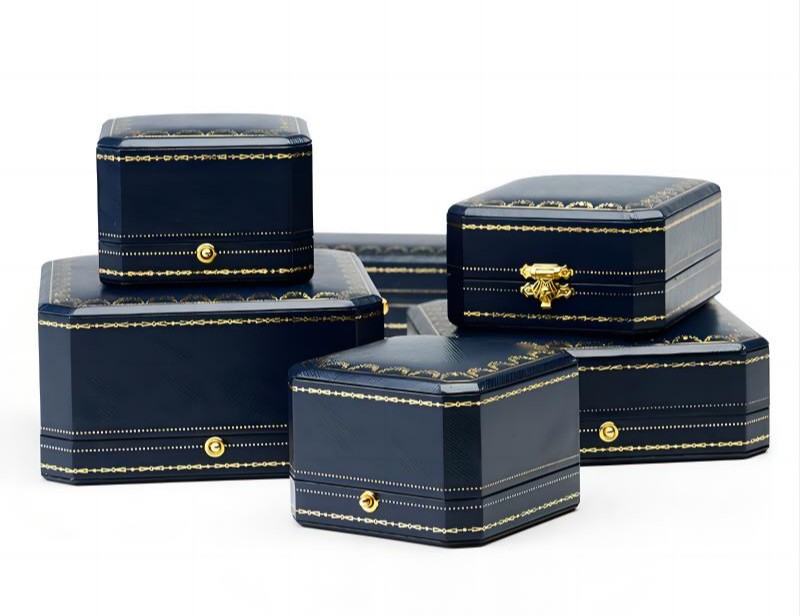
Think about the brands you buy from repeatedly. Not the ones you tried once and forgot. The ones you return to without even thinking about alternatives. Chances are, there’s a consistency to the experience. The product quality doesn’t fluctuate. The packaging feels familiar every time. You know what you’re going to get, and that predictability is part of why you keep coming back.
Inconsistency, on the other hand, erodes trust silently. A customer orders from you twice. The first time, the packaging feels premium. The second time, the box is slightly different—a looser hinge, a rougher leather texture, a logo that’s positioned a fraction lower. They probably won’t email you about it. They probably won’t even identify what felt off. But the subconscious message is clear: this brand doesn’t have its act together.
Consistency across production runs is one of the hardest things to achieve in custom packaging. It’s also one of the most valuable. Let’s explore why it’s so difficult, what it requires from a manufacturer, and how it quietly builds the kind of brand recognition that no ad budget can buy.
Why Two Production Runs Are Never Automatically Identical
Here’s the thing about custom manufacturing. You don’t just place one order. You place an order, and then six months later you place another one, and you expect them to match. But manufacturing conditions change between runs. The ambient humidity in the workshop is different. The leather hides come from a different batch. The worker who did your stitching last time might have moved to a different station. Tiny variables compound.
Most of these variables are invisible in isolation. A stitch line that’s half a millimeter tighter than last time. A leather dye that’s a shade darker because the tannery adjusted their formula slightly. A magnet that has a fraction more pull force because the hardware supplier changed their spec. None of these would be noticeable on their own. Together, they make the new batch feel subtly different from the old one.
This is why documentation matters more than most buyers realize. A manufacturer that keeps detailed production records—exact leather dye formulas, stitch tension settings, adhesive application methods, hardware specifications—can reproduce a box months later with minimal drift. A manufacturer that works from memory and general instructions will produce boxes that evolve over time, and not in a way that benefits your brand.
A disciplined leather jewelry box manufacturer treats repeatability as a core quality metric. They’re not just trying to make a beautiful box once. They’re trying to make the same beautiful box every single time, under different conditions, for years. That’s a much harder standard to hit.
The Reference Sample System That Smart Brands Use
Now, this is where most people go wrong. They approve a pre-production sample, place a bulk order, receive it, and then discard or lose the sample. Six months later, when they want to reorder, they have no physical reference to compare against. They’re relying on memory and photos, both of which are unreliable.
Smart brands keep what’s called a golden sample—a reference box from the first successful production run that becomes the physical standard for all future orders. This sample is stored in a controlled environment, not on a sunny windowsill where the leather will fade. It’s tagged with the production date, the material specifications, and any notes about what made it the standard.
When a new production sample arrives for the next order, it’s compared directly against the golden sample. Same lighting, same angle, same scrutiny. If the stitching is tighter, you’ll see it. If the leather grain is noticeably different, you’ll spot it. The golden sample removes subjectivity from the approval process.
Ask your supplier if they maintain their own reference samples for repeat clients. A good manufacturer will have a library of past production standards, stored properly and referenced before every new run. This isn’t a special request. It’s a basic quality control practice, and the absence of it should raise questions.
The Unboxing Experience as Brand Ritual
There’s a reason certain brands inspire almost ritualistic unboxing behavior. People film themselves opening the products. They share the experience online. They talk about the packaging as part of the product. This doesn’t happen by accident. It happens because the brand invested in making the unboxing feel like an event, and then they made sure that event felt the same every single time.
Consistency is what turns a good unboxing into a brand ritual. If the experience is different every time, there’s no ritual. There’s just a series of unrelated transactions. Ritual requires predictability. The same box. The same weight. The same sound when the lid closes. The same soft interior. The same quiet message: this brand cares about what they put in your hands.
That predictability also creates a strange but powerful form of brand loyalty. Customers start to associate the tactile experience with the brand itself. They recognize your packaging before they see the logo. That level of brand encoding is extraordinarily valuable and almost impossible to achieve with stock packaging that any competitor could buy from the same catalog.
When Inconsistency Becomes a Reputation Problem
Let’s talk about the customer who orders from you twice and gets two different packaging experiences. They’re not going to call your customer service line. They’re not going to post an angry review. They’re just going to feel, somewhere in the back of their mind, that your brand is a bit sloppy. That maybe the jewelry quality is also inconsistent. That maybe their first great experience was a fluke.
That vague sense of diminished trust is almost impossible to measure, but it shows up in your repeat purchase rate over time. Customers who trust your consistency buy again without hesitation. Customers who doubt it hesitate. And hesitation is the enemy of conversion.
This is why a long-term partnership with a custom leather jewelry box supplier who treats consistency as a deliverable, not an aspiration, pays dividends far beyond the per-unit cost. You’re not just buying boxes. You’re buying the confidence that your hundredth customer will have the same unboxing experience as your tenth. That confidence is invisible when it’s present and catastrophic when it’s absent.
Frequently Asked Questions
How many samples should I keep as references?
At least two from your first successful production run. One stays with you as the golden sample. One can be sent to the manufacturer if there’s ever a dispute about quality drift. Store them away from direct sunlight and humidity.
What’s an acceptable amount of variation between production runs?
Minor. Leather grain will always vary slightly because it’s a natural material. Stitch tension, logo placement, and hardware feel should be identical. Color matching should be close enough that the difference isn’t obvious without a side-by-side comparison.
Can I change manufacturers and still maintain packaging consistency?
It’s difficult but not impossible. You’ll need to provide detailed specs, the golden sample, and all material documentation to the new manufacturer. Expect a longer sampling phase and potentially higher initial costs as they recreate your tooling and match your materials.
How do I communicate consistency expectations to a new supplier?
Be direct. “I need the batch you produce in twelve months to be indistinguishable from the batch you produce now. What systems do you have in place to ensure that?” Their answer will reveal whether they treat consistency as a priority or an afterthought.
Does packaging consistency matter for small brands with low order volumes?
Yes, maybe even more so. A small brand has fewer customer touchpoints overall, which means each one carries more weight. An inconsistent packaging experience for a new brand can permanently define that customer’s perception.
Brand consistency isn’t just about logos and color palettes. It’s about the cumulative effect of identical experiences over time, each one reinforcing the last until your packaging becomes a quiet signature. The manufacturers that understand this are the ones that invest in documentation, reference systems, and production discipline. The ones that don’t will give you a beautiful box once and a slightly different one the next time. Your customers will notice the difference, even if they never say a word about it.