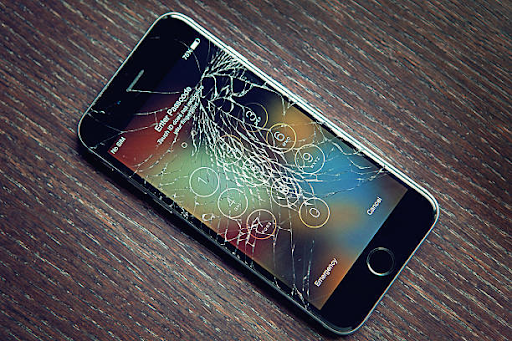
A cracked iPhone screen can throw off your whole day. One accidental drop, and suddenly you’re dealing with touch issues, dead spots, or a display that looks like it’s been through a war. That’s why iPhone screen repairs have become one of the most common repair services people look for. But here’s something many people don’t think about until later. The quality of the replacement parts matters just as much as the repair itself. A screen might look fine on day one, but if low-grade parts were used, problems can start showing up pretty quickly.
Not All Replacement Screens Are Built the Same
A lot of people assume every replacement screen comes from the same place. It doesn’t. There are major differences between premium-quality parts and cheaper alternatives. Some lower-cost screens may fit the phone, sure, but that’s about where the similarities end.
Poor-quality displays often have weaker glass, lower brightness levels, dull colors, and touch sensitivity issues. Sometimes they work okay for a few weeks. Then the glitches begin. Touch response becomes inconsistent. The screen starts flickering. In some cases, it stops working altogether. That’s frustrating because the repair ends up costing more in the long run.
Display Performance Depends on Part Quality
One thing people notice immediately after a repair is how the screen looks. If quality components were used, the display should feel almost identical to the original. Colors remain sharp. Brightness stays consistent. Touch controls respond instantly.
When cheap parts are installed, the difference can be obvious. Whites may look slightly yellow. Blacks can appear washed out. Videos don’t look as crisp. Even scrolling through social media feels different. It might sound minor, but when you use your phone every day, those small differences become hard to ignore.
Touch Sensitivity Is More Important Than People Realize
Most users focus on whether the screen turns on. That’s understandable. But touch performance matters just as much. Every tap, swipe, pinch, and gesture relies on the digitizer working properly.
High-quality replacement parts are designed to maintain accurate touch response. Lower-grade screens sometimes struggle to register inputs consistently. You tap once, and nothing happens. Or worse, the screen reacts to touches you never made. It can make simple tasks surprisingly annoying.
After a while, that frustration adds up. People often assume the repair technician made a mistake when in reality the issue comes from the part itself.
Durability Makes a Big Difference
Nobody plans on dropping their phone again, but let’s be honest. It happens. Life gets busy. Phones slip from pockets. Kids grab them. Accidents happen in seconds.
Quality replacement screens generally offer better durability than cheaper options. The glass is often stronger, the bonding process is more reliable, and the overall construction holds up better under daily use. That doesn’t make the phone indestructible, of course. But it does improve the chances of surviving normal wear and tear.
Choosing cheaper parts might save a little money upfront. Sometimes. Yet many users end up paying for another repair sooner than expected because the replacement didn’t last.
Battery Life Can Be Affected Too
This surprises a lot of people. Screen quality can actually impact battery performance.
Inferior displays sometimes require more power to operate efficiently. They may have inconsistent brightness control or poor energy management. Over time, users notice their battery draining faster than before. They blame the battery itself, but the screen may be contributing to the issue.
A properly manufactured replacement display works more efficiently with the phone’s hardware. That’s one reason experienced repair professionals prefer quality components whenever possible.
Compatibility with iPhone Features Matters
Modern iPhones are sophisticated devices. The screen isn’t just a piece of glass anymore. It interacts with multiple systems inside the phone.
Features like True Tone, brightness adjustment, face recognition support, and smooth display performance all rely on proper compatibility. High-quality replacement parts are more likely to support these functions correctly. Lower-grade parts can sometimes interfere with them.
The result is a phone that technically works, but doesn’t feel quite right. Users often notice something is off even if they can’t immediately identify the reason.
A Good Repair Is More Than Just Fixing the Crack
People sometimes shop for repairs based only on price. That’s understandable when money is tight. But the cheapest repair isn’t always the best value.
A reliable repair combines skilled workmanship with dependable replacement parts. Remove either piece, and the final result suffers. Even the most experienced technician can’t make poor-quality components perform like premium ones.
That’s why reputable repair shops usually spend more on parts. They’re trying to provide a repair that lasts, not one that simply gets the phone working for a few weeks.
Choosing the Right Repair Service Matters
When comparing repair providers, ask questions. Find out what type of screens they install. Ask whether the parts are tested before installation. A trustworthy shop should be comfortable discussing the quality of its replacement components.
Many customers searching for the best mobile phone repair service focus on speed and price. Those things matter, sure. But part quality deserves equal attention. A slightly higher repair cost today can save significant money, frustration, and repeat repairs later on.
Conclusion
Screen repairs are about more than replacing broken glass. The parts used during the repair directly affect performance, durability, battery efficiency, and overall user experience. Quality components help your phone look, feel, and function the way it was designed to. When it comes to iPhone screen repairs, cutting corners on replacement parts rarely pays off. A proper repair done with dependable components may cost a little more upfront, but it usually delivers better results and a longer-lasting device. In the end, that’s what most people want anyway—a repair they don’t have to think about again.