Painting with big tools feels like a shortcut. Faster coverage, fewer passes, job done early, right? Not always. The 18 inch roller nap looks like a productivity cheat code, but it can just as easily wreck a finish if you don’t know what you’re doing. I’ve seen people jump in thinking bigger roller = better results. Then they end up with streaks, heavy lines, or worse… a surface that looks like it was painted in a hurry. Which, yeah, it probably was.
Using the Wrong Nap Thickness for the Surface
This one trips people up more than it should. Not all roller naps are created equal, and with an 18 inch roller nap, the wrong thickness gets exaggerated fast. Too thick on a smooth wall and suddenly you’ve got texture where you didn’t want any. Too thin on a rough surface and you’re fighting to get paint into all the gaps. You waste time going over the same spot again and again. It’s frustrating. Match the nap to the surface—simple idea, but people skip it. Smooth drywall? Go shorter. Textured walls or concrete? You need more fluff, more reach. Otherwise you’re just skating paint across the top.
Overloading the Roller and Making a Mess
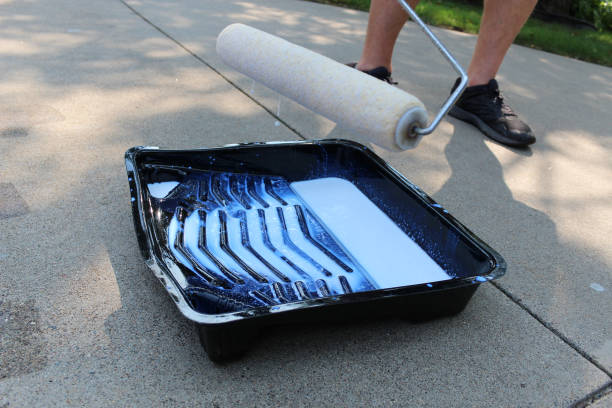
Bigger roller, bigger temptation to dunk it deep and load it up heavy. Bad move. An overloaded roller doesn’t save time, it just drips more. You end up with paint splatter on floors, trim, your shoes… everywhere. And the finish? Uneven. Thick in some spots, thin in others. With an 18-inch setup, balance matters. Load it evenly, roll it out on the tray or grid, and don’t rush that part. Yeah it takes a few extra seconds. Still faster than fixing drips later.
Ignoring Proper Technique (Because It “Feels Faster”)
People get sloppy with technique when they scale up tools. I get it. The roller is wide, you want to move quick. But if you’re not keeping consistent pressure, or you’re rolling in random directions, it shows. Big time. Lines, lap marks, weird patches where the paint dried uneven. Keep a steady hand. Work in sections. Overlap slightly. Nothing fancy, just… controlled. The size of the roller doesn’t change the fundamentals. It just makes mistakes more visible.
Skipping the Right Frame and Extension Pole
This one feels boring, but it matters more than people think. A cheap or flimsy frame with an 18 inch roller nap is a recipe for uneven pressure. The roller flexes, bends a little, and suddenly your coverage isn’t consistent across the width. Same with extension poles. If it wobbles, your finish will too. Invest in a solid frame. Doesn’t have to be the most expensive thing out there, just sturdy. You’ll feel the difference almost immediately. Less strain on your arms too, which, after a couple hours, you’ll appreciate.
Trying to Use It in Tight or Awkward Spaces
Not every job needs a big roller. Actually, a lot don’t. People try to force an 18-inch roller into corners, narrow walls, or around fixtures and it just doesn’t work well. You bump into things, miss edges, or leave uneven patches. Then you have to go back with a smaller roller anyway. So now you’ve used two tools instead of one. If the space is tight, just start with something smaller. The big roller is great for wide, open areas. Use it where it makes sense, not everywhere just because you bought it.
Rushing the Prep Work
Here’s the thing nobody wants to hear: prep matters more with bigger tools. If the wall isn’t cleaned, patched, and primed properly, an 18 inch roller nap will highlight every flaw. Dust, bumps, uneven patches—they all show up once that wide roller passes over. And fixing it after paint is already on? Way harder. Take the extra time upfront. Sand a bit. Wipe things down. It’s not glamorous work, but it saves headaches later.
Not Maintaining a Wet Edge
This is where a lot of DIY jobs start to look patchy. With a large roller, paint covers more area quickly, but it also dries at different rates if you’re not careful. If you stop mid-section or don’t keep a wet edge, you’ll see lap marks once everything dries. And yeah, they’re hard to ignore once you notice them. Work steadily. Don’t jump around the wall. Finish one section before moving on. Sounds obvious, but people still mess it up, especially when they’re tired.
Choosing the Wrong Roller for Specialty Coatings
Not all paint behaves the same, and this gets overlooked a lot. When you’re dealing with thicker coatings like epoxy, your roller choice matters even more. You can’t just grab any cover and hope for the best. This is where people start searching for the best roller for epoxy, because standard options just don’t cut it. The nap needs to handle the weight and spread it evenly without trapping bubbles. Get this wrong and the finish looks uneven or, worse, fails over time. It’s not just about size at that point—it’s about compatibility.
Thinking Bigger Always Means Faster
This is probably the biggest misconception. An 18-inch roller can be faster, yeah. But only if everything else is right—prep, technique, surface, paint type. If not, it slows you down. Fixing mistakes takes longer than doing it right the first time. Sometimes a smaller roller, used properly, beats a big one used badly. That’s just the truth of it.
Conclusion
The 18 inch roller nap is a solid tool. No doubt. When used right, it cuts down time and gives smooth, even coverage across big surfaces. But it’s not foolproof. Go in careless and it’ll show every mistake you make, louder than a smaller roller ever would. Pay attention to the basics. Match your nap, control your load, don’t rush the process. It’s not complicated, just easy to mess up if you’re not paying attention.