Families don’t stay the same for long. Kids grow up, parents get older, priorities shift, sometimes faster than you expect. One year you need a quiet home office, next year you’re figuring out space for a returning college grad or an aging parent. That’s where an ADU starts to make a lot of sense. When people talk about ADU building & planning in Santa Rosa, it’s usually framed as a real estate move or rental opportunity. Sure, that’s part of it. But honestly, the bigger value is flexibility. An ADU gives you options. And options, over time, matter more than square footage or resale buzz.
Why Flexibility Beats “Forever Plans”
Most people think they can plan their “forever home.” They can’t. Life doesn’t work like that. Jobs change, health changes, relationships shift. What you can do is build something that bends a little without breaking your budget or your sanity. An ADU does exactly that. It’s not locked into one purpose. Today it’s a guest suite. Tomorrow it’s a rental. Five years later, maybe it’s where you move while your main house gets remodeled. It’s not glamorous thinking, but it’s real-life thinking. And that’s usually the smarter bet.
A Place for Aging Parents (Without Losing Your Mind)
Let’s be blunt. Moving an aging parent into your main house can get… complicated. Everyone loses privacy. Small habits turn into big annoyances. An ADU gives you that middle ground. Close enough to help, far enough to breathe. You can check in daily without feeling like you’re living on top of each other. And if you design it right—wider doorways, step-free entry, simple layout—it works long term. Not perfect, but way better than scrambling later when you’re already stressed.
Room for Adult Kids Who Keep Coming Back
It happens more than people admit. Kids move out, then come back. Maybe it’s job stuff, maybe rent is too high, maybe life just didn’t go as planned. An ADU turns that situation from awkward to manageable. They get independence. You keep your routine. No one’s arguing over kitchen space at 7 a.m. every day. And honestly, it helps relationships. Space does that. It cools things down before they heat up.
Home Office Today, Something Else Tomorrow
A few years ago, hardly anyone planned for a serious home office. Now it’s almost expected. That’s the thing though—needs like that can fade or change. An ADU works as a focused workspace now, away from noise and distractions. Later, it can shift into a rental unit or a guest house without major changes. You’re not locking yourself into one use. You’re just… setting yourself up to pivot. Not exciting, but very practical.
Rental Income Without Fully Committing to Being a Landlord
Some people go all-in on rental properties. Others don’t want the hassle. An ADU sits somewhere in between. You can rent it out when it makes sense, and pull it back when it doesn’t. Short-term, long-term, even just occasional use—it’s flexible. That matters when your own family needs might change quickly. One year you want the extra income. The next year, you need the space. With an ADU, you don’t have to choose forever.
Designing for Change (Not Just for Now)
Here’s where people mess up. They design an ADU for one exact use. Big mistake. The smarter move is keeping things a little open-ended. Neutral layouts. Simple storage. Enough separation for privacy, but not so much that it limits future use. Think about entrances, noise, natural light. Small decisions now save headaches later. It’s not about overbuilding. It’s about not boxing yourself in.
How Local Experience Actually Matters More Than You Think
This is where working with people who understand Santa Rosa construction really shows up. Local codes, permits, lot constraints—it’s not always straightforward. And if you’re trying to build something adaptable, those details matter even more. A poorly placed entrance or awkward layout can limit how the ADU evolves over time. Good planning upfront avoids that. It’s not flashy work. But it’s the difference between something that lasts and something that becomes a regret.
Multi-Use Space Without Overcomplicating It
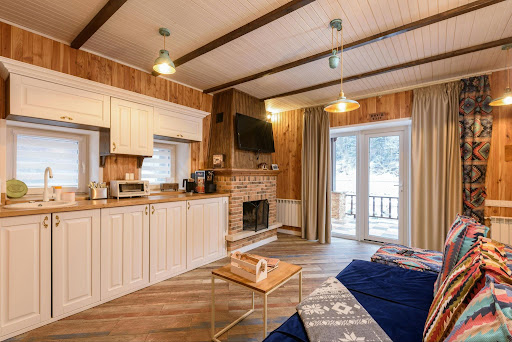
There’s a temptation to overdesign. Murphy beds, sliding walls, fancy conversions. Some of that works. Some of it just adds cost and breaks eventually. A better approach is simple flexibility. A clean open living area. A small kitchenette. A bathroom that’s easy to access. Let the space shift naturally depending on who’s using it. You don’t need every feature under the sun. You just need a space that doesn’t fight you when your needs change.
Conclusion
An ADU isn’t just a building. It’s a buffer. Between life stages, between people, between plans that worked and plans that didn’t. Families change, sometimes slowly, sometimes all at once. Having a space that can adapt with you takes a lot of pressure off. It won’t solve everything. But it makes transitions smoother, and that counts for a lot. If you’re thinking long-term—and you should be—then building with flexibility in mind isn’t optional. It’s the whole point.