You ever notice how everyone’s suddenly an expert on backyard homes? Yeah, me too. I’ve been looking into this adu builder world for a minute now, and honestly? Most of them talk way too fast and show way too few photos of actual finished projects. It’s like they’re selling a dream but skipping the part where you gotta pour concrete in the rain. So let me save you some headache. Whether you call it an accessory dwelling unit or just “that little house in the back where my mom can live,” the process isn’t as smooth as the Instagram reels make it look.

What Even Is an ADU Builder These Days?
Here’s where it gets fuzzy. An adu builder used to mean a general contractor who specialized in small secondary homes. Now? It could be a prefab company, a modular outfit, or some dude with a truck and a really confident website. I talked to three different “adu builders” last month, and each one gave me a different price range, timeline, and foundation requirement. One guy said six weeks. Another said six months. Both probably lying, just in different directions. The point is – don’t trust the title. Trust the track record. And for the love of god, ask for addresses of past builds you can actually drive by.
Tiny Home Kits – The Cheap Promise That Bites Back
So you start searching “tiny home kit” because you heard it’s cheaper. And yeah, sometimes it is. But here’s the kicker – a tiny home kit is basically a really expensive puzzle with no customer support hotline. You get walls, a roof, some screws, and a manual written by someone whose first language is not “patience.” I’m not saying don’t do it. I’m saying understand what you’re signing up for. The kit might cost $15k, but then you need land, utilities, permits, a foundation, and someone who actually knows how to put it together without crying. That someone is usually not you. Sorry.
Why Local Building Codes Hate Your ADU Dreams
Nobody warns you about this part. You find an adu builder, pick out your tiny home kit, feel all excited. Then the county building department laughs in your face. Not literally, but close. Every city has different rules about setbacks, max square footage, fire access, and utility hookups. Some places require an architect stamp. Others want engineered soil reports. I saw one guy on Reddit who had to move his planned ADU four feet to the left because of a buried power line nobody mapped. Four feet. That was a $7,000 change order. So before you Venmo any deposit, call your local planning desk. Ask dumb questions. Take notes. You’ll thank me later.
The Hidden Cost of “Affordable” Tiny Home Kits
Here’s where the math gets ugly. That shiny $18,000 tiny home kit you found online? Great. Now add delivery ($2k–$5k depending on where you live). Add a concrete slab or pier foundation ($6k–$12k). Add electrical panel upgrade because your main house is from 1972 ($3k–$8k). Add plumbing to run sewer or septic ($4k–$10k). Add permits and fees ($2k–$5k). Suddenly your “affordable” tiny home kit is pushing $50k before you even buy a light fixture. And that’s assuming you do some work yourself. If you hire an adu builder to assemble it? Add another $15k–$30k in labor. I’m not trying to depress you. I’m trying to make you go in with open eyes.
Can You Really DIY a Tiny Home Kit Without an ADU Builder?
Technically? Yes. Realistically? Most people shouldn’t. I’ve watched YouTube videos of guys framing a tiny house in a weekend. Those guys have been building decks since they were twelve. You? You might not know which side of the vapor barrier faces out. (No shame – neither did I until someone yelled at me.) A tiny home kit still requires basic carpentry, roofing, electrical rough-in, and insulation knowledge. If you’ve never used a circular saw without flinching, hire at least a part-time helper. Even then, you’ll mess something up. That’s fine. Just budget extra time and extra plywood.
The One Question Most People Forget to Ask Their ADU Builder
Everyone asks “how much?” and “how long?” Nobody asks “what happens when it rains for two weeks straight?” Or “who deals with the inspector when he fails us the first time?” A good adu builder doesn’t just build fast – they handle problems without charging you panic rates. Ask for references. Then call those references and ask: did they show up when they said they would? Did they clean up at the end of each day? Did they fight for you with the city when the permit got stuck? Those little things separate a pro from a guy with a hammer.
Financing an ADU – Harder Than You Think
Banks get weird about tiny homes. If your adu builder is building something on a permanent foundation, attached to your utilities? That’s real property. You might finance it with a home equity loan or a cash-out refi. But if you buy a tiny home kit and set it on blocks? Some lenders call that personal property – like a car or a boat. Different loan rules, worse interest rates. Also, not every appraiser knows how to value an ADU, so your home might not appraise as high as you hoped. Talk to a local credit union before you break ground. They tend to be less stupid about this stuff than the big banks.
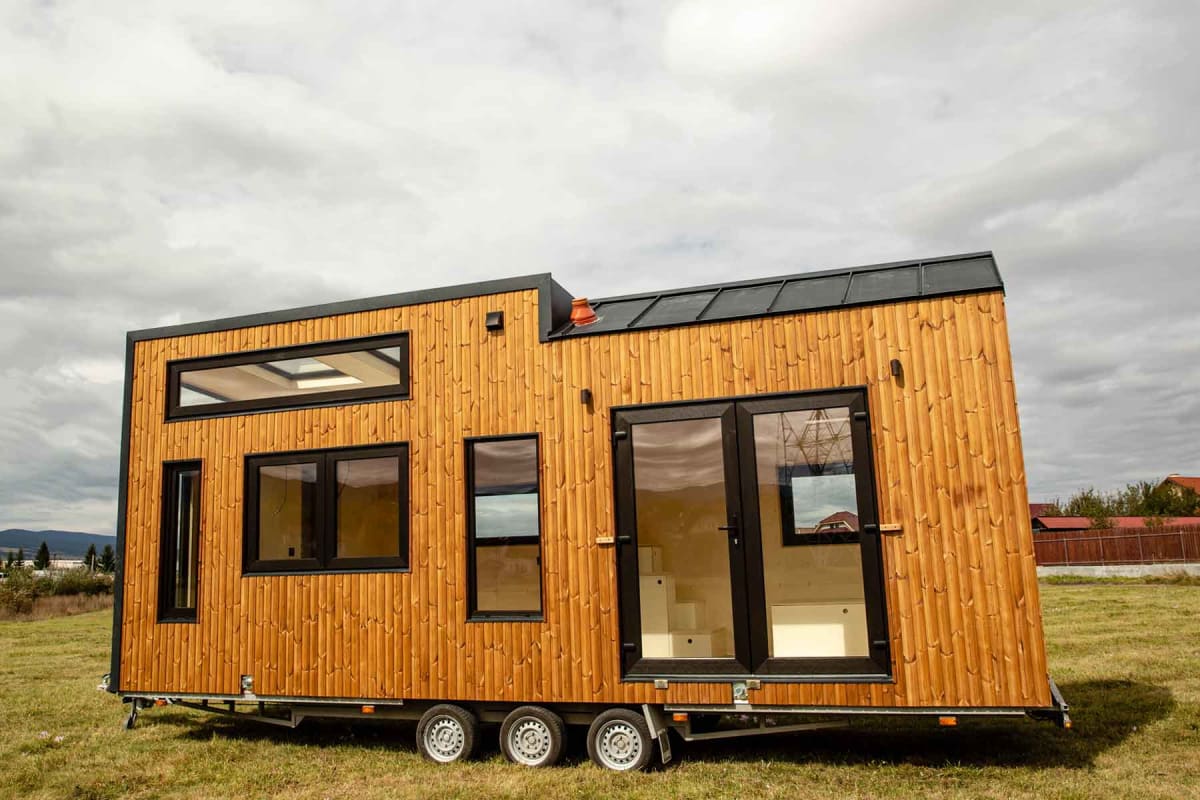
The Best Kind of ADU Builder for a Tiny Home Kit Project
After digging through all this, here’s my honest take: don’t hire a random prefab company that’s three states away. Don’t buy the cheapest tiny home kit on Alibaba. Instead, find a local adu builder who’s already worked with kits before. Ask them which brands they hate and which ones actually fit together without shimming every joint. A local builder knows the soil, the inspectors, the delivery truck routes. That local knowledge saves money, even if their hourly rate looks higher. Pay for experience. You’ll sleep better when the first storm hits.
Conclusion: Is an ADU Builder or Tiny Home Kit Worth It?
Yeah, sometimes. If you have family to house, rental income to earn, or just need a quiet office away from the kids? An ADU can change your life. But don’t go in blind. A tiny home kit is not a shortcut – it’s a different kind of work. An adu builder is not a magician – they’re a project manager who owns a nail gun. Do your homework, double your timeline, add 20% to your budget, and expect at least one fight with the county. If you can handle that? Go build something cool. Just don’t say I didn’t warn you about the concrete.
Frequently Asked Questions (People Also Ask)
What’s the average cost to hire an ADU builder in 2026?
Most adu builders charge between $250 and $400 per square foot for a full build, depending on your region. That means a 600 sq ft ADU runs $150k–$240k. If you bring your own tiny home kit, labor alone might be $15k–$30k plus site work.
Can I live in a tiny home kit year-round?
Only if it meets local building codes for permanent occupancy. Many tiny home kits are built to RV standards unless you specifically order one rated for four seasons. Check insulation R-values and window ratings before you buy.
How long does an ADU builder take to finish a backyard home?
Average is 6 to 9 months from permit approval to move-in. But that varies wildly. Some prefab adu builders promise 90 days – those usually skip the foundation and utility delays. Realistically? Add two months for every “unexpected” issue.
Do I need a separate electric meter for an ADU?
Depends on your utility company. Many require a separate meter if you plan to rent the ADU out. Others let you run off the main house if it’s for family. Your adu builder should check this early – meter upgrades add $2k–$5k and weeks of waiting.
What’s the cheapest tiny home kit that’s not junk?
Look at brands like Zook Cabins or Jamaica Cottage Shop for basic shells under $15k. But remember – cheap kit means more labor on your end. The $8k kits on Amazon? Mostly uninsulated sheds. Fine for storage, not for sleeping.