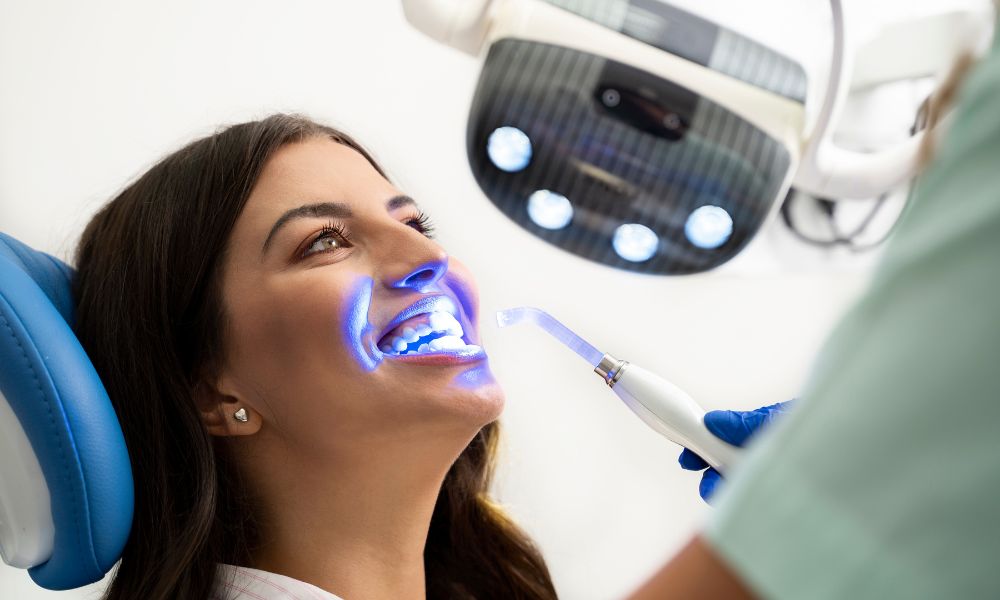
A bright, white smile can boost confidence, make a great impression, and even reflect good health. Over time, however, teeth naturally lose their brightness. Factors like drinking coffee, tea, or red wine, smoking, eating certain foods, and even aging can cause teeth to darken. While many people want whiter teeth, it’s important to do it safely to avoid harming enamel or causing sensitivity.
Safe teeth whitening can help you achieve a whiter smile without causing damage. With the right methods and precautions, you can lighten your teeth gradually and effectively. Understanding the causes of discoloration, choosing the right treatment, and maintaining good oral habits are all key to keeping your teeth healthy and bright. This guide will cover everything you need to know to whiten your teeth safely and maintain a radiant smile.
Why Teeth Change Color
Teeth can change color for different reasons, and knowing why your teeth have darkened can help you pick the right whitening method.
Some stains appear on the surface of teeth. External factors like food, drinks, and smoking usually cause these. They are often easier to remove with whitening treatments. Other stains happen inside the tooth. These internal stains can be caused by aging, certain medications, trauma, or excess fluoride during childhood. Internal stains are usually harder to treat and may require stronger or professional methods.
Why Safe Teeth Whitening Matters
Many whitening methods promise quick results, but not all are safe. Overusing bleaching products, trying harsh home remedies, or using highly abrasive pastes can damage enamel and gums. Safe teeth whitening ensures that your teeth and mouth stay healthy while gradually lightening your smile.
Some of the main benefits of safe whitening include protecting enamel, avoiding gum irritation, preventing long-term sensitivity, and keeping your teeth strong and healthy. Choosing safe methods is always better than seeking fast results that may cause permanent damage.
Professional Treatments vs. At-Home Methods
Teeth whitening can be done professionally or at home, and both can be effective when done correctly.
Professional whitening usually uses stronger whitening agents and is applied carefully. Dentists can assess your teeth for cavities or other issues before treatment. They can also use barriers to protect gums and prevent sensitivity. Professional methods often give faster and more even results. Common professional options include in-office treatments and custom trays with whitening gel.
At-home methods are convenient and cost-effective but need to be used carefully. Over-the-counter products like whitening strips, gels, or toothpaste can work well if the instructions are followed. Using too much or too often can lead to tooth sensitivity or gum irritation. Always follow directions and choose products designed for safe teeth whitening.
Natural Ways to Whiten Teeth
Some people prefer natural methods to improve tooth color. While these methods can help, it’s important to avoid anything too harsh that could damage teeth.
Gentle options include brushing with a small amount of baking soda, rinsing with a mild hydrogen peroxide solution, or chewing crisp fruits and vegetables that can help remove surface stains. Oil pulling with coconut or sesame oil may also help reduce bacteria and surface stains, though its whitening effect is mild. Avoid acidic substances like lemon juice, as these can erode enamel over time.
How to Keep Teeth White
Whitening your teeth is only part of the process. Keeping them bright requires ongoing care.
- Brush twice a day and floss daily.
- Use a soft toothbrush to avoid wearing down enamel.
- Drink plenty of water to wash away food particles.
- Limit coffee, tea, red wine, and other staining foods.
- Avoid tobacco products.
- Visit a dentist regularly for cleanings.
These habits help prevent new stains and keep your teeth healthy while supporting any whitening treatment.
Understanding Whitening Ingredients
Most whitening products use safe ingredients if used correctly. Common ingredients include hydrogen peroxide, carbamide peroxide, and mild abrasives. Hydrogen peroxide is the main bleaching agent, while carbamide peroxide slowly releases hydrogen peroxide for gentler whitening. Mild abrasives in toothpaste help remove surface stains without damaging enamel.
Avoid products with unknown chemicals or strong abrasives, as these can harm your teeth. Always read the labels and follow instructions.
Common Misconceptions
There are many myths about teeth whitening, and understanding the facts helps you stay safe.
Some people think whitening permanently weakens teeth. In reality, safe whitening does not damage teeth, though overuse can cause problems. Another myth is that whitening should be done often, but excessive whitening increases sensitivity. Not all yellow teeth are unhealthy—some natural variation in tooth color is normal. Finally, acidic home remedies may seem safe but can actually erode enamel.
Who Should Be Cautious
While safe teeth whitening is suitable for most adults, some people should be careful or avoid whitening treatments:
- Children under 16, as their teeth are still developing.
- Pregnant or breastfeeding individuals, as the safety of whitening chemicals is not fully known.
- People with sensitive teeth, cavities, or gum problems.
- Those with crowns, veneers, or fillings, as these do not whiten and may appear uneven.
Checking with a professional before whitening is always the safest approach.
Whitening Safely at Home
If you choose to whiten at home, following steps carefully helps prevent problems:
- Assess your teeth for stains or damage.
- Choose a product that lists safe ingredients and instructions.
- Apply the product only as directed, and do not overuse.
- Avoid brushing immediately after whitening if your teeth feel sensitive.
- Track your progress and stop if you experience discomfort.
- Maintain results with good oral hygiene and avoiding staining foods.
For those with sensitive teeth, lower-concentration products, shorter application times, and desensitizing toothpaste can make the process safer.
Maintaining a Long-Term Bright Smile
Achieving white teeth is only part of the goal—keeping them bright requires ongoing care.
Routine oral care, a healthy diet, and limited exposure to staining foods and drinks help maintain results. Regular checkups and cleanings remove buildup that causes discoloration. Occasional touch-ups with safe whitening products can help keep your smile bright without causing harm.
Conclusion
Safe teeth whitening allows you to achieve a whiter smile without compromising your dental health. By understanding the causes of discoloration, choosing the right treatment, and maintaining good habits, you can have a bright, healthy smile that lasts. Whether you use professional treatments, at-home methods, or gentle natural options, focusing on safety ensures your teeth remain strong and your gums healthy.
Remember, maintaining your smile is a combination of careful whitening, good oral care, and healthy lifestyle habits. A bright smile can be both beautiful and safe when approached with care.